


















UPHONGOLO, KwaZulu-NATAL – KwaZulu-Natal Health MEC Nomagugu Simelane has raised concern over declining childhood immunisation coverage in the province, urging parents and caregivers to ensure children receive all their recommended vaccinations.

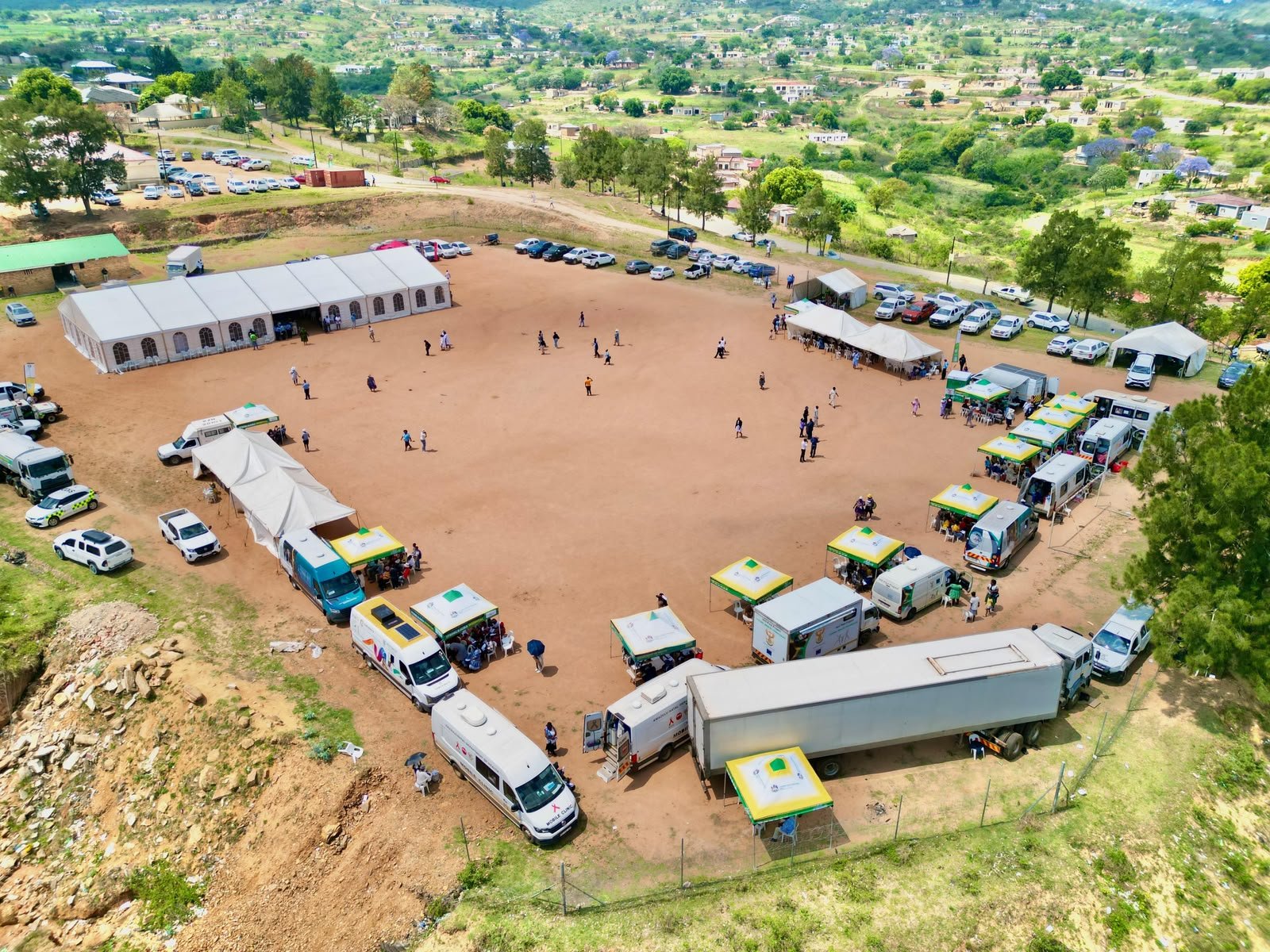
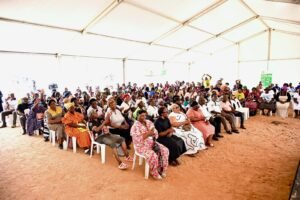
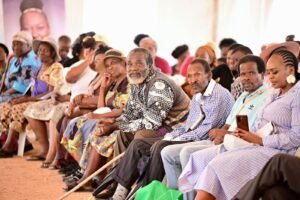
Simelane was speaking on Tuesday during the KwaZulu-Natal Department of Health’s Isibhedlela Kubantu outreach programme at Sithambi Sportsfield in uPhongolo, Zululand District.
The programme brought essential healthcare services and health education closer to residents, with the MEC using the platform to highlight the importance of childhood vaccination, mental health and early cancer detection among women.
Simelane warned that children who miss vaccinations face an increased risk of contracting serious and preventable diseases, while low vaccination coverage can allow diseases to spread through families, schools and communities.
“We are deeply concerned about the decline in childhood vaccination coverage. Every child who misses a vaccine is placed at greater risk of becoming seriously ill, while every missed vaccination creates an opportunity for preventable diseases to spread within families, schools and communities,” said Simelane.
The department is targeting at least 90% vaccination coverage across the province and is calling for a coordinated effort involving parents, caregivers, healthcare workers, Community Health Workers, traditional and religious leaders, teachers and other community structures.
Simelane acknowledged that several factors can contribute to children missing their vaccinations, including transport challenges, poverty, long distances to healthcare facilities and competing household responsibilities.
However, she also warned against misinformation about vaccines, particularly information circulating on social media.
“We must confront these challenges honestly while rejecting misinformation. Vaccines used in our public health system are scientifically tested and approved, and parents who are uncertain about vaccination should speak to healthcare workers rather than relying on rumours or unverified information circulating on social media,” she said.
Parents and caregivers are being urged to check their children’s Road to Health Booklets and ensure their vaccinations are up to date.
Children are expected to receive vaccinations at recommended stages, including at birth, six, 10 and 14 weeks, nine and 18 months, as well as at six, nine and 12 years.
Focus on women’s health
The MEC also used the outreach programme to encourage women to prioritise their health, particularly through regular screening for cervical and breast cancer.
October is Mental Health Awareness Month, and Simelane encouraged communities to take mental health seriously and seek professional assistance when experiencing emotional or psychological distress.
She said cervical cancer can be prevented, detected early and treated, making regular screening an important part of protecting women’s health.

“We want to remind women and our communities at large that cervical cancer can be prevented, detected early and treated. Screening is extremely important because it can identify changes before they become cancer,” said Simelane.
Women are encouraged to begin cervical cancer screening from the age of 25. Women living with HIV should be screened from the time of diagnosis and every three years if their results are normal.
Simelane also urged women experiencing unusual vaginal bleeding, bleeding after menopause or abnormal vaginal discharge to seek medical attention urgently, regardless of when they last underwent screening.
On breast cancer, she encouraged women to become familiar with their bodies and seek medical attention if they notice any unusual changes.
Warning signs can include a lump in the breast, changes in breast size or shape, nipple changes, unusual discharge and changes to the skin.
“As women, it is extremely important for us to know and understand our bodies. If you notice anything unusual, go to a health facility. Do not wait until the pain becomes unbearable,” she said.
Simelane said the Isibhedlela Kubantu programme remains important because it allows government to take healthcare services and health information directly to communities.
She urged residents to make use of available healthcare services and encouraged communities to play an active role in protecting children and improving women’s health.
“A vaccinated child is a protected child, and an informed woman is better equipped to protect her health. Let us work together to ensure that no child is left unprotected and that no woman delays seeking care when early detection can make the difference,” said Simelane.
The KwaZulu-Natal Department of Health continues to encourage communities to engage healthcare professionals when they have concerns about vaccination, cancer screening or other health matters.